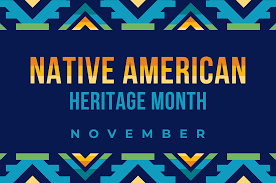
Native American Heritage Month (NAHM) is celebrated every year in November and is a month-long observation that is intended to spotlight the enduring resilience and significance of the contributions and cultures of Native Americans in all aspects of American society, while also being a time to acknowledge the continuous challenges they face in protecting their sovereignty and heritage year-round.
The beginning of NAHM has its roots in Dr. Arthur C. Parker, who was a part of the Seneca tribe and was the director of the Museum of Arts and Science in Rochester New York.
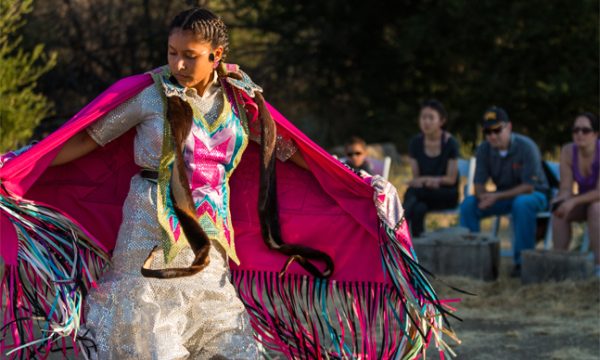
Parker’s role in aiding the establishment of NAHM was as an advocate for American Indian Day, which is a day of observation for Native American culture. Parker was a major force in leading the Boy Scouts of America to recognizing the day for three years from 1912 to 1915.
In 1915 the American Indian Association officially called for American Indian Day, with Reverand Sherman Coolidge officiating the second Saturday in May as the day of observation, this marked the first formal appeal for Native American recognition in the United States (US).
The official American Indian Day was established by the US government in 1916 and was designated to be on the second Saturday of May in New York by Charles S. Whitman who was the governor at the time and three years later Illinois joined New York in recognizing the day.
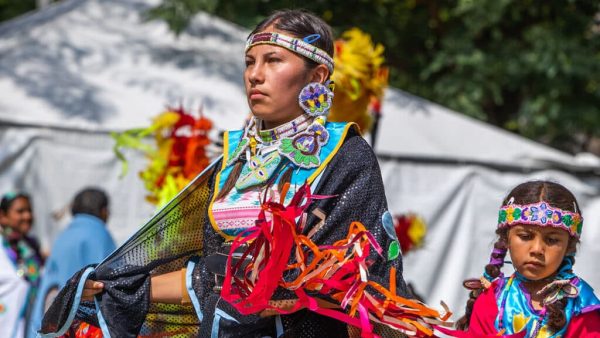
Native American Heritage Month was recognized federally by President George H.W. Bush who signed the joint resolution proposed by congress to officially designate November as National American Indian Heritage Month in 1990.
In 2009 the name was officially changed by the US Government to the more inclusive and accurate Native American Heritage Month, though Alaska Native Heritage Month is also commonly used.
Currently the US Government federally recognizes 574 Native American tribes, each tribe has its own unique government, language, and culture. Native American Heritage Month is meant to serve as an important platform for celebrating these diverse Native American cultures and achievements.
NAHM is important in helping the effort to combat harmful stereotypes and the historical erasure of Native American culture by highlighting the vibrant, living cultures that make up Native American history. November is a time with the purpose of celebrating Native American culture and heritage and encouraging observers to educate themselves.