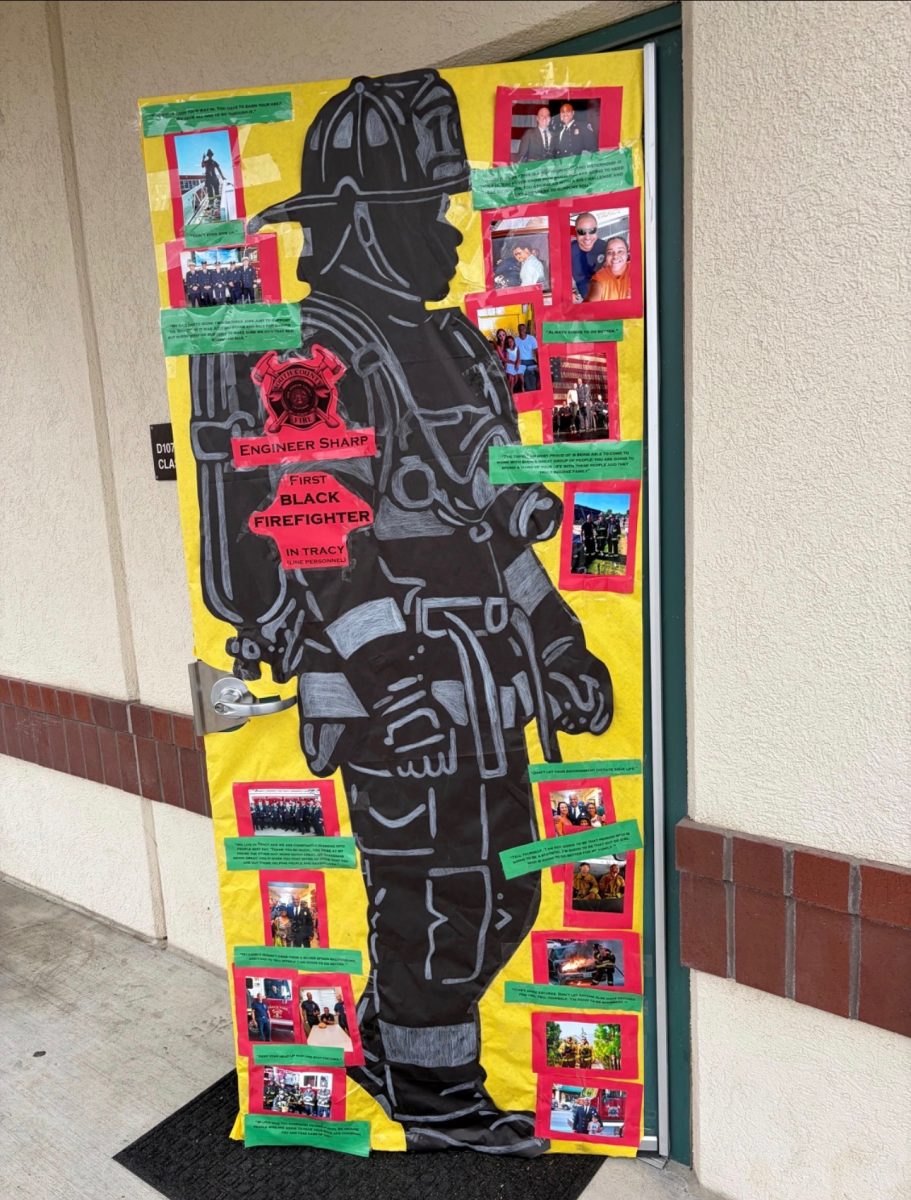
In celebration of Black History Month, our school came together for a powerful and creative event: the annual door decorating contest. This year’s theme, inspired by the national focus of “A Century of Black History Commemorations,” highlighted influential Black leaders often overlooked. By narrowing the theme to focus specifically on leaders, organizers created a meaningful connection between the contest and the school’s MLK Breakfast, uniting two important events under a shared purpose.
Walking through the halls, students and staff were greeted with vibrant, thoughtful displays honoring a wide range of figures who have shaped history. Each door told a story, reflecting not only the achievements of these leaders but also the creativity and dedication of the classrooms behind them. From bold portraits to carefully researched facts, it was clear that a great deal of effort and pride went into every design.
One of the most impactful aspects of this year’s theme was its emphasis on representation and expanding awareness. Dzidzi Djnor, “It’s important for students to see these figures represented at our school because at school we often focus on the same few Black leaders, especially during Black History Month like Martin Luther King and Rosa Parks.” While these figures remain incredibly important, the contest encouraged students to look beyond the most commonly taught names.
Highlighting lesser-known individuals brought new perspectives to the forefront. “It is so important that we recognize other influential Black leaders because they are equally as important; even if they aren’t talked about,” Djnor explained . One example that stood out was Claudette Colvin, who, at just 15 years old, refused to give up her seat on a bus months before Rosa Parks. “She is less famous because she was a pregnant, dark-skinned teenager,” she noted, emphasizing the importance of acknowledging contributions that history has sometimes overlooked. By learning about figures like Colvin, students gained a deeper and more inclusive understanding of the past.
Beyond education, the event also strengthened the sense of community on campus. Organizing the contest revealed just how impactful collaborative efforts can be. “Through organizing this event I learned how much simple, well-planned events can bring a whole school together,” Djnor reflected. “It was so cool to see all the different doors and different leaders in each classroom, especially considering how much thought was put into each door and how it was done in roughly a month.”
Ultimately, the Black History Month door decorating contest did more than brighten the hallways and sparked conversations, encouraged learning and celebrated the diverse voices that make up history. By shining a light on both familiar and lesser-known leaders, the event reminded everyone that history is richer and more powerful when all stories are told.