Ireland is dealing with major fuel disruptions as global supply problems linked to the ongoing war involving Iran spread across Europe. Officials say the problem is not that the country has no fuel, but that it cannot be delivered where it is needed.
The conflict has affected oil shipments through the Strait of Hormuz, one of the most important routes for oil in the world. About 20% of the global oil supply passes through this area. Because of the disruption, fuel prices have increased, and energy markets across Europe are under pressure.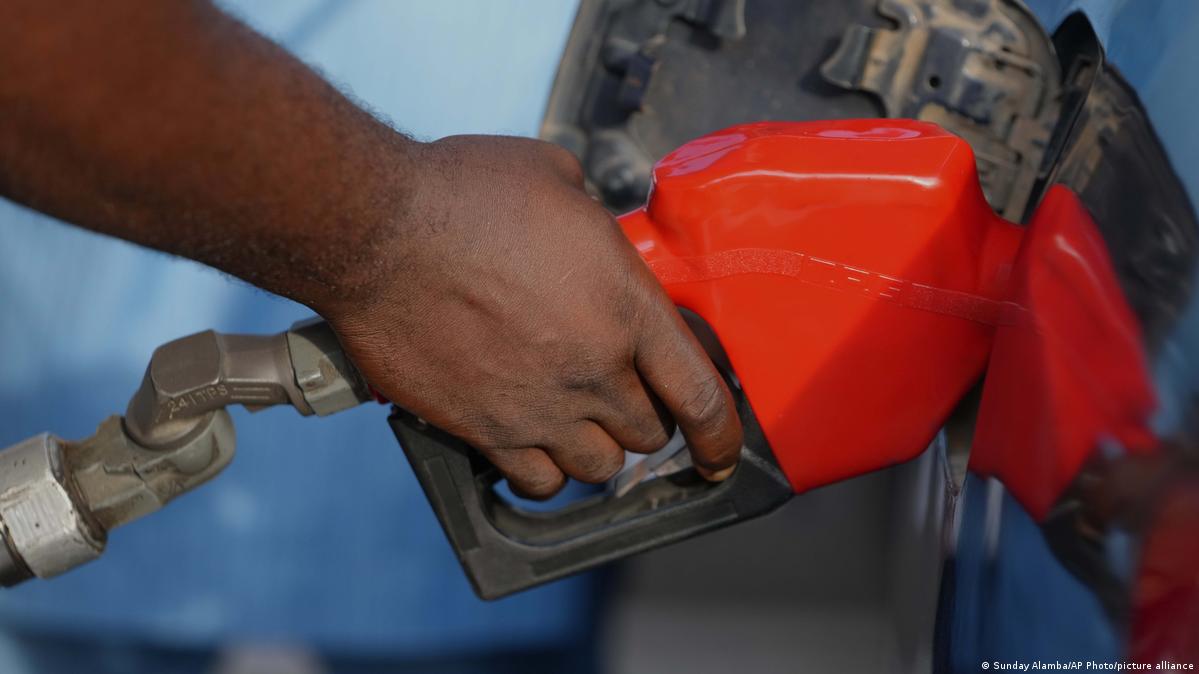
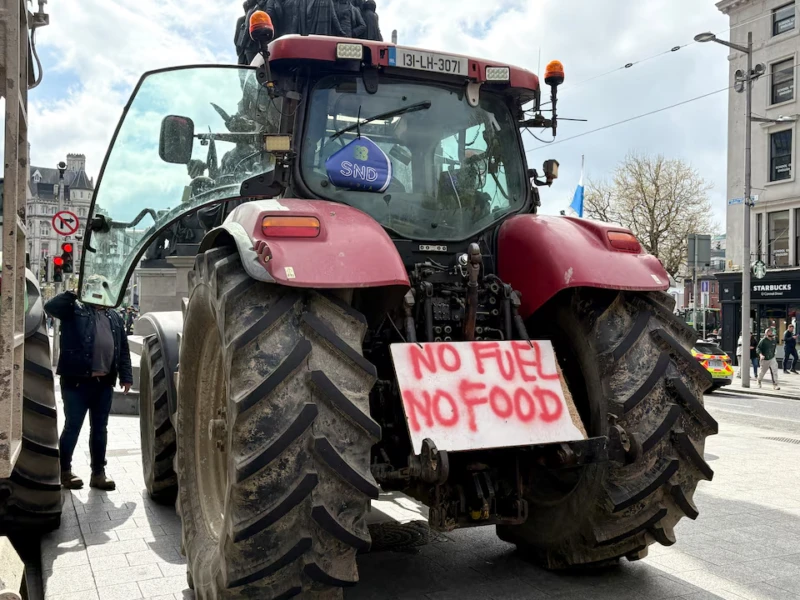
In Ireland, the situation has become worse due to protests and road blockades. These actions have stopped fuel trucks from reaching gas stations. Industry leaders say there is still fuel in storage, but it cannot be transported because access to refineries and fuel depots is blocked.
As a result, some gas stations have run out of fuel, while others are limiting how much customers can buy. Long lines of drivers have been reported in different parts of the country as people wait for hours.
The protests are mainly led by farmers and transport workers. They are asking the government to act as fuel prices continue to rise. Demonstrators have blocked major roads, ports and fuel facilities, which has made the situation worse.
The Irish government has responded by cutting fuel taxes and offering financial support to those affected. Authorities have also been sent to clear blockades and reopen key routes. Officials have asked the public to stay calm and not panic, saying that Ireland still has enough fuel overall.
Experts warn that if the conflict continues and oil routes stay disrupted, the situation could get worse across Europe. This could affect travel, business and daily life.
For now, fixing transportation issues will be key to getting fuel flowing normally again.
Information gathered from SupplyChaindigital.com, The Irish Independent, The Sun.co, and Reuters.com.