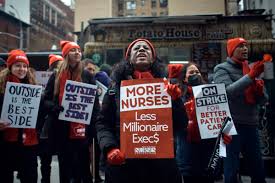
Nurses at several hospitals across New York City went on strike after meetings with hospital leaders did not lead to an agreement. The strike included thousands of nurses and has affected hospitals across the city.
The nurses strike because they want better pay, safer working conditions and more nurses on each shift. Many nurses say they are often responsible for too many patients at one time, which makes their jobs more stressful and difficult. This can also be dangerous for the patients.

Hospitals involved in the strike are continuing to care for patients by bringing in temporary travel nurses.
Emergency rooms and critical care units are still open, but some non-emergency surgeries and appointments have been delayed.
Staffing shortages has been a problem for years and became worse after the COVID-19 pandemic.
Some nurses say they feel overworked, which has led many to leave the profession.
The strike has also affected patients and their families. Some patients have reported longer wait times and delay in care that is not urgent.
This strike started on January 12, 2026, when almost 15,000 nurses across New York City stopped working after contracts were not renewed. Nurses from multiple hospitals came together to bring attention to their concerns about pay, staffing and working conditions.
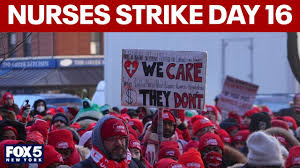
This strike could also have an effect on people who want to become nurses in the future. Some students are following closely to see how hospitals respond and what changes they make.
A student of Tracy High Jacklynn Ascevedo who plans to pursue nursingg commented on the protests.
“This situation could affect future nurses because it shows what working conditions can really be like,” said Ascevedo. “This can also make some great changes for the new nurses.”
Both hospital leaders and union representatives say they are hoping to reach an agreement soon. But until then, the strike is expected to continue and hospitals continue to delay non-emergency care.
Information gathered from New York Times and ABC7 New York.