Located in Utah, the second most visited National Park in the United States is Zion National Park. It is known for its sandstone cliffs, challenging scenic hikes and canyons.
Many people use cars to explore National Parks, but in Zion, cars are restricted to only the first two points of the park out of nine. The other seven places can only be accessed by shuttle buses and bikes.
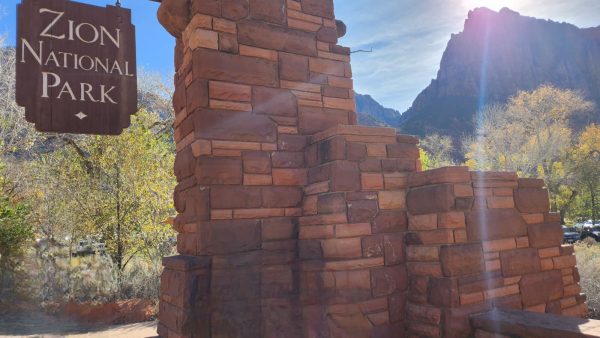
There are two different shuttles at Zion. The first shuttle starts at 8 a.m. and ends at 6 p.m., and allows tourists to enter the park from Springdale, Utah. Next, the in-park shuttle that takes you to all the points, starting at 7 a.m. and ending at 5 p.m.
Zion’s nine points are Zion Canyon Visitor Center, which consists of one trail and the visitor center; The Museum, that goes through the tribal history of Zion with no trails; The Canyon Junction; Court of the Patriarchs; The Zion Lodge; The Grotto; Weeping Rock; The Big Bend and finally, the Temple of Sinawava.
Even though cars are restricted from the main points, those aren’t the only parts of Zion. Zion has a scenic bypass where there are separate, smaller points and hikes that anyone can go to with their personal vehicle.
Zion National Park’s history goes back 8,000 years, where Native American Tribes, such as the Southern Archaic, lived there for 8,000 years. Then in the mid-1800s, Mormon colonists found the land and named it Zion.
In 1909, President William Howard Taft named the park Mukuntuweap National Monument, to protect the features of the park, then changed it to Zion National Park in 1918 for tourists.
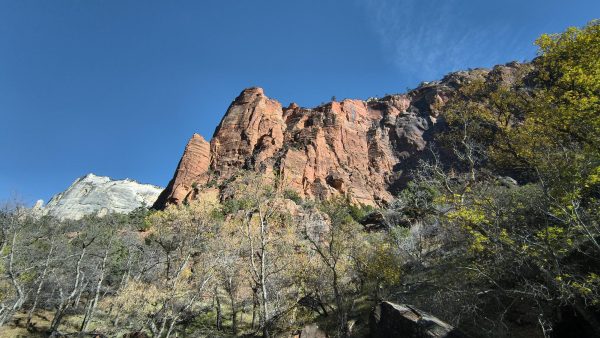
In 1937, a proclamation allowed the park to gain more land, then in 1956 another land extension with a monument area.
Zion National Park has gone through the early Native American stages, then settled by Mormon pioneers who named the land Zion, before finally President Taft made the land a National Park.
Zion’s history and beauty have annually hooked over five million people.