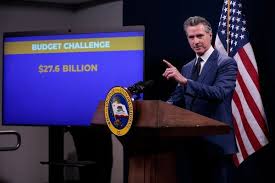
California is expected to face a $18 billion budget shortage next year.
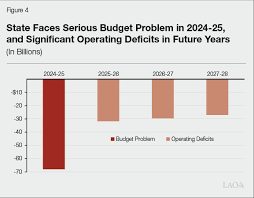
This will be the fourth straight year California has a budget deficit. Even though the state is collecting more money than before, spending is growing.
One big reason for the gap is the new federal policy changes. The reports say that California will have to pay $1.3 billion more because of national shifts in health care and food assistance programs.
The state is also spending about $6 billion more than it thought it would.
The state’s budget rules make things even harder. Under proposition 98, much of any extra tax money must go to schools and proposition 2 requires money to go into paying off debt. That means even when the state gets more revenue, it can’t use it to cover the deficit.
Another concern is that the extra money coming from technology and artificial intelligence may not be reliable in the long term.
California is depending heavily on high-income taxes connected to the tech industry and the stock market, which could decrease if the economy slows or markets drop.
In fact, by 2027-2028, the state could be facing an annual deficit of approximately $35 billion if spending continues to increase faster than revenue.
To fix the gap, California needs a mix of real cuts and new revenue, not just a short-term solution. Because the state has fewer ways to handle its finances, California could struggle if the economy takes a sudden hit.
Governor Gavin Newsom is expected to release his budget plan in January, which could set the direction for how California addresses its $18 billion deficit.
Some believe the Governor will have to face difficult decisions to fix the deficit while protecting programs that California relies on and how he handles it could shape the state’s financial stability for years.
Information gathered from AP News, CBS News, and gov.ca.gov.