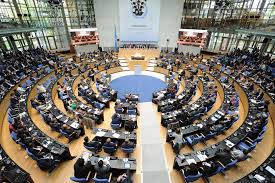
The 30th United Nations Climate Change Conference, known as COP30, opened from Nov. 10 to Nov. 21 in Belem, Brazil.
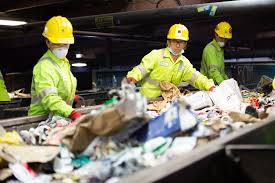
This conference brought together nearly 200 countries, including the United States, to discuss over the global issue of climate change and what each nation can do to reduce pollution and protect the planet.
Brazil is focused on the importance of protecting forests, oceans, and natural areas as part of its climate goals.
At COP30, countries share their new climate action plans, known as Nationally Determined Contributions, which explain how they will cut emissions and prepare for climate impacts.
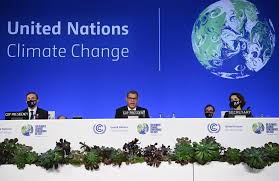
Leaders at the conference will also review progress made on the earlier promises under the Paris Agreement; an international climate treaty that countries around the world agreed to in 2015.
The leader of the conference, Brazil, says to focus on real action and follow-through, not only to set new goals.
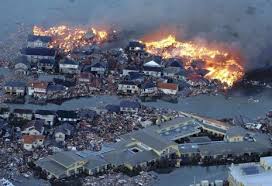
One major goal of COP30 is to increase funding to help countries deal with extreme weather and other climate problems.
Brazil wants to create a new finance plan that supports the nations that are most at risk. Another key focus is to protect nature, especially forests and wildlife, since the conference is taking place in the Amazon region.
From the United States, Senator Sheldon Whitehouse from Rhode Island is attending COP30 as the federal representative.
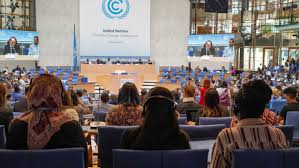
Whitehouse’s office said that he plans to speak about clean energy, reducing methane emissions, and encouraging countries to follow through on their climate goals.
As COP30 continues, countries are expected to present updates on their climate plans and show what progress they have made so far.
Leaders of nations will spend the remaining days discussing how to improve cooperation, increase funding for climate programs, and support communities facing problems from the extreme weather.
Many attendees say the goal of the conference is to leave with clearer actions that can guide global climate efforts over the next few years.
Information gathered from The New York Times, BBC News, and U.S. Senate.gov.