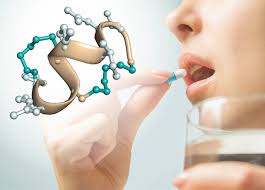
Peptides, which were once found mostly in medical research or elite sports circles are now showing up in TikTok videos and gym bag conversations among teens.
Promoted online as boosters for muscle growth, fat loss, skincare and athletic recovery, these small chains of amino acids are sparking curiosity and concern alike.
Peptides are naturally occurring molecules in the body that help regulate processes like tissue repair and hormone signaling.

In adults, some peptide-based products especially topical ones in skincare have evidence supporting modest benefits, such as increased collagen production and improved skin appearance. But when it comes to teen use for performance or aesthetic goals, experts warn there is not enough solid research yet to declare them safe or effective.
“While peptides may benefit skin health and recovery, their use, especially those affecting hormones should be cautious due to limited research and potential health risks,” said Dr. Elisa Moreno, a sports medicine specialist.
Many peptides marketed online are unregulated, sold as “research chemicals,” and have not undergone rigorous testing for safety or efficacy especially in adolescents still growing and developing.
Social media plays a crucial role in popularizing the trend. Teens on platforms like TikTok share peptide routines claiming faster fat loss or bigger muscle gains, but these anecdotes are not backed by scientific studies.
Some peptides advertised for weight control or increased growth hormone may disrupt natural hormone balance a significant concern during puberty.
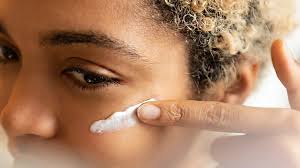
Peptides are also trending in skincare products. Topical peptides like copper-based formulas may potentially help with skin elasticity and acne scarring.
“Peptides in serums can stimulate collagen, but most teens can get similar results from sunscreen, gentle cleansing, and dermatologist-recommended treatments,” noted dermatologist Sara Kim, adding that longterm effects of many products still aren’t well studied.
Experts emphasized caution. Many of the performance oriented peptides are not FDAapproved and may carry unknown risks, especially when taken systemically or by injection. Some compounds are even banned in competitive sports.