Cape Canaveral, Fla. after multiple delays over the past several years, NASA’s Artemis II mission is once again being pushed back while engineers continue work on the rocket and spacecraft.
The mission, which will send four astronauts around the moon, has been rescheduled several times because of technical issues, testing adjustments and weather disruptions that slowed preparations. 
Artemis II will launch aboard the Space Launch System, the agency’s most powerful rocket, which has undergone additional inspections following issues discovered during fueling tests and countdown rehearsals earlier this year.
Engineers identified concerns involving propulsion components and ground systems equipment, prompting NASA to pause preparations and move the rocket back inside for further evaluation.
Some testing at Kennedy Space Center was also delayed by weather conditions, including colder temperatures that affected launch operations in February.
NASA officials said the revised timeline allows teams to complete repairs and verify system performance before committing to a firm launch date, though no specific date have been confirmed.
“We’re focused on making sure the vehicle and spacecraft are ready to fly safely,” agency officials said during a recent update, adding that safety remains the top priority.
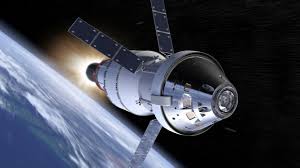
The crew will travel in the Orion spacecraft, which previously completed an non-crewed flight around the Moon during Artemis I in 2022 and returned safely to Earth. 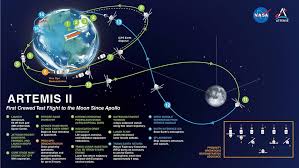
The four-person crew includes NASA astronauts and Canadian Space Agency astronaut Jeremy Hansen who would become the first Canadian to travel beyond low Earth orbit.
Artemis II is designed as a 10 day mission that will test life-support systems and other hardware needed for future lunar landings.
The flight is part of NASA’s broader Artemis program, which aims to return astronauts to the moon later this decade and eventually prepare for missions to Mars.
Although the schedule has shifted several times, agency officials have said delays are part of the testing process for complex human spaceflight missions and more adjustments could still be made before launch.